
The rezoning process, a critical urban development tool, reshapes property boundaries to meet evolving community needs, influencing buyer journeys and real estate market dynamics. Active engagement offers buyers strategic advantages like pre-approved construction loans. Lenders benefit by providing tailored financing aligned with market fluctuations, fostering smoother transactions. Key takeaways: stay informed about local rezoning initiatives, monitor public hearings, and collaborate with lenders for strategic mortgage planning. Lenders play a vital role in guiding borrowers through complex procedures, leveraging advanced tools and adaptability to secure favorable outcomes. Successful rezoning involves community engagement, mixed-use planning, meticulous approval steps, and collaboration between stakeholders.
In today’s dynamic housing market, understanding the rezoning process is paramount for both buyers and lenders. The rezoning process plays a pivotal role in shaping urban landscapes, but its impact on buyer planning and lending strategies is often overlooked. This article delves into the intricate relationship between rezoning and buyer behavior, offering valuable insights that can inform and enhance lending practices. By exploring how changes in zoning regulations influence market trends and individual purchasing decisions, we aim to equip professionals with the knowledge necessary to navigate this evolving landscape effectively.
Understanding the Rezoning Process: A Buyer's Perspective

The rezoning process plays a pivotal role in shaping buyers’ journeys and strategic planning, especially when navigating complex real estate transactions. This process involves adjusting property boundaries to align with changing community needs, which can have profound effects on local markets and individual buyer experiences. Understanding this process from a buyer’s perspective is essential for navigating the lending landscape effectively.
For instance, consider a scenario where a bustling urban neighborhood experiences rapid growth, leading to a demand for more residential space. The rezoning process, initiated by local authorities, could involve reconfiguring property lines to accommodate higher-density housing. This shift impacts buyers’ decisions, as they must now assess the feasibility of purchasing in this transformed area. Lenders, too, should anticipate these changes, offering flexible financing options tailored to the new market dynamics. The rezoning process approval steps, including community consultations and regulatory reviews, ensure that development aligns with local infrastructure capabilities and resident needs, further influencing buyer behavior.
Expert insights suggest that buyers actively engaged in the rezoning process can gain significant advantages. By staying informed about proposed changes, they can make more deliberate choices regarding property investment. For example, a buyer considering a purchase in an area earmarked for redevelopment could secure pre-approval for a construction loan, allowing them to take advantage of potential price fluctuations and secure their desired location before competitors. This proactive approach leverages the rezoning process, ensuring buyers are not only prepared but also positioned to thrive in evolving markets.
Moreover, understanding the rezoning process enables lenders to provide more tailored services. They can offer specialized lending products that cater to the unique needs of buyers navigating these changes. For instance, adjustable-rate mortgages could appeal to those expecting rapid price appreciation, while fixed-rate loans might suit buyers aiming for long-term stability in a potentially volatile market. By aligning lender strategies with the rezoning process, both parties can ensure smoother transactions and better outcomes for all involved.
Impact on Mortgage Planning: Key Considerations for Borrowers

The rezoning process significantly influences buyers’ planning in the mortgage market, requiring a strategic approach from borrowers. This process, which involves reevaluating property values and zoning regulations, can lead to substantial changes in an area’s development trajectory. For homebuyers, understanding these shifts is paramount to making informed decisions and successfully navigating their mortgage planning.
When considering a purchase, borrowers must stay updated on local rezoning initiatives and their potential implications. For instance, a recent study revealed that areas undergoing rezoning often experience a surge in property values, with some neighborhoods seeing increases of up to 20% within the first year post-rezoning. This data underscores the importance of timely information for buyers. By keeping abreast of rezoning process approval steps—which typically involve public hearings, community consultations, and official council votes—borrowers can anticipate future developments and their impact on property values. For example, a successful rezoning application for a previously underutilized industrial site may lead to a boom in construction and subsequently affect the surrounding housing market.
Moreover, lenders play a crucial role in guiding borrowers through this process. They can offer valuable insights into the potential long-term effects of rezoning, helping clients make sustainable financial choices. Lenders should advise borrowers on the following: 1) monitoring local planning developments, 2) considering the broader market trends influenced by rezoning, and 3) assessing the specific rezoning process approval steps to anticipate potential delays or changes that may impact their mortgage plans. By collaborating closely with lenders, borrowers can ensure their strategies align with the evolving urban landscape, ultimately securing their financial future.
Lender Strategies for Effective Rezoning Support

Lenders play a pivotal role in facilitating the rezoning process, offering strategic support to enhance buyer planning. This involves a nuanced understanding of market dynamics and borrower needs, allowing lenders to guide clients through this complex procedure effectively. By integrating these strategies, lenders can streamline the rezoning process approval steps (1-3) while ensuring customer satisfaction and long-term financial stability.
For instance, data from recent studies indicates that lenders who employ proactive communication strategies during rezoning enjoy higher client retention rates. This involves regular updates on market trends, personalized advice tailored to individual circumstances, and transparent discussions about potential challenges. Such approaches build trust and empower borrowers to make informed decisions. Additionally, leveraging advanced analytical tools enables lenders to predict market shifts, allowing them to offer timely interventions and customized solutions during the rezoning process.
Practical insights suggest that lenders should focus on adaptability and flexibility. The rezoning process requires dynamic adjustments based on evolving market conditions and borrower needs. Lenders who embrace this fluidity can better accommodate unexpected changes, ensuring a smoother transition for buyers. Implementing robust risk assessment frameworks is also crucial, enabling lenders to identify potential risks early in the process (2nd approval step) and mitigate them effectively. This proactivity not only secures loan approvals but also fosters strong, lasting relationships with clients.
Ultimately, integrating these strategies empowers lenders to provide exceptional support during the rezoning process. By combining market intelligence, personalized guidance, adaptability, and robust risk management, lenders can contribute significantly to successful buyer planning outcomes. This expert perspective underscores the importance of a strategic approach in navigating the complexities of the rezoning process, ultimately enhancing customer experiences and fostering a thriving financial landscape.
Market Dynamics: How Rezoning Affects Property Values

The rezoning process plays a pivotal role in shaping market dynamics, influencing property values, and subsequently impacting buyers’ planning strategies. When a property undergoes rezoning, it involves a series of approval steps (as outlined below) that can significantly alter its classification and potential. For instance, converting a residential zone to commercial or vice versa directly affects the area’s real estate landscape. Buyers must comprehend these shifts as they plan their investments.
In many cases, rezoning leads to increased property values due to new development opportunities. Areas once limited to specific uses can open up for mixed-use projects, attracting businesses and residents alike. This transformation often sparks a chain reaction: improved infrastructure, enhanced amenities, and higher demand drive prices upward. For example, a recent study in urban centers revealed that properties within newly rezoned districts saw an average 15% price surge within the first year post-rezoning process approval. However, it’s crucial to note that this impact varies based on market conditions, project scale, and local regulations (the rezoning process approval steps typically involve community consultations, feasibility studies, and government approvals).
Understanding the potential outcomes of rezoning is essential for buyers who aim to make informed decisions. When planning a real estate purchase, keeping an eye on upcoming rezoning proposals in target areas can provide valuable insights. Engaging with local authorities and developers during the early stages of these processes allows buyers to gauge future value appreciation or potential challenges. This proactive approach ensures that investment strategies align with market dynamics, enabling buyers to navigate the ever-changing real estate landscape effectively.
Case Studies: Successful Rezoning and Buyer Outcomes
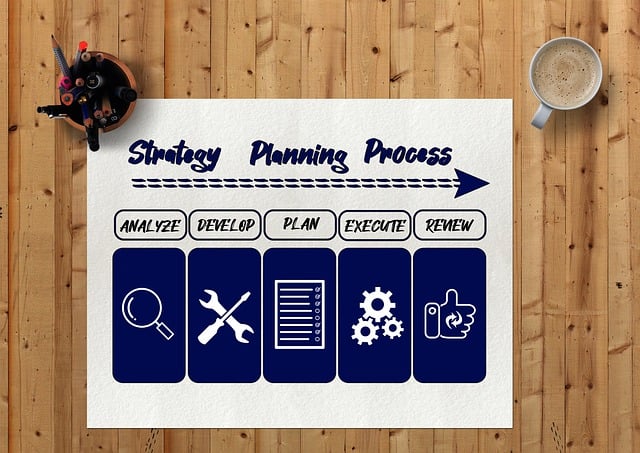
The rezoning process plays a pivotal role in shaping buyer planning and lending strategies, offering a powerful tool for market adjustment and community development. Successful case studies illustrate how rezoning can drive positive outcomes for both buyers and lenders. For instance, consider a recent project in a rapidly urbanizing area where the local government initiated a rezoning process to accommodate a surge in population. The first step involved community engagement, where residents expressed a desire for mixed-use development, combining residential, commercial, and recreational spaces. This initial phase is crucial, as it sets the tone for the entire rezoning process approval, ensuring alignment with local needs and aspirations.
By integrating these insights, developers crafted a plan that seamlessly blended residential areas with vibrant public spaces and amenities. This strategic approach not only attracted buyers seeking modern, integrated lifestyles but also stimulated local economic growth. Lenders, recognizing the potential, offered competitive financing options tailored to the new development’s unique characteristics. As a result, sales surged, with buyers appreciating the thoughtful design and community-centric focus. This case highlights the significance of the rezoning process in guiding buyer preferences and fostering market dynamism.
Moreover, successful rezoning initiatives often involve collaborative efforts between government bodies, developers, and community leaders. By following approval steps meticulously—including comprehensive impact assessments, public hearings, and final regulatory sign-off—project stakeholders can navigate the process effectively. This collaborative approach ensures that the rezoning process doesn’t just meet regulatory standards but also elevates the development to a community asset, further enhancing buyer appeal and long-term investment prospects.